Wednesday, December 17, 2025
Home Blog Page 46

Introduction of ID Passes

0
24th August 2012
Dear Gnati brothers and sisters,
We recently wrote to you informing you of the introduction of ID Passes for this yearโ€™s Navratri festival celebrations.
As set out in our first letter, the central (and only) aim is to nurture and protect our proud heritage as a Maherย Community. Your ID Pass will be your unique identity as a honoured and valued member of this great community.ย We hold great hope that this bring about renewed sense of belonging and in turn, drive more members to take an activeย part in our community affairs.
The introduction of ID Passes and ticketing is not for commercial purposes. Furthermore, these ID Passes and ticketsย will only be available to our Maher Community. We will not under any circumstances sell tickets to the generalย public.
Our Navaratri celebrations will be just like every year – for Mahers only.ย In this letter, we will set out details of how this new system will operate in practice. Fear not, help will be on hand atย every stage as our clear aim is to achieve a smooth and pleasant transition to this new system.ย For ease, we have split this letter into separate sections so that you have a clear understanding on the
Process
The sections are:
Section A: Shareholders โ€“ this includes both existing shareholders as well as all new shareholders.
Section B: Non-shareholders โ€“ this section only applies to you if you are not a shareholder, and for whatever reason,ย choose not to become a shareholder. This section sets out the ticketing/pass system.
Section C: Becoming a shareholder โ€“ this explains the process to follow if you are not currently a shareholder but wishย to become one.
Section A: New and Existing Shareholders
We will prepare an ID Pass in the name of the shareholder. This will be done automatically. As an honourable andย valued shareholder, you will also be entitled to complimentary passes for all your family members who live at yourย property. Just provide us with full details for each of your family members at living at your home together withย identification as set out in the enclosed leaflet (โ€œID Requirementsโ€). Thatโ€™s it! Weโ€™ll do the rest.
ID Passes will be ready for collection from the Leicester Maher Centre from Monday 3rd September 2012. You mustย collect you ID Pass from us by no later than Sunday 30th September 2012.ย We are operating a collection only basis. We will not post the ID Passes for reasons of data protection and security.ย We need to be sure that you have received your ID Pass in order that you can peacefully enjoy the wonderful Navratriย celebrations.
Please do let us know if you are unable to personally collect the ID Pass(es), so that we can agree alternativeย arrangements. You should be aware that in all instances, the original identification will be required to be presentedย before the ID Pass will be released.
We would remind you that there will be free entry for those under the age 18 years or over the age of 65 yearsย as well those who are disabled. They will not need an ID Pass. We would advise however that you do keepย some ID with you as door-staff may carry out random checks!
Section B: Non-shareholders
We appreciate that there will be members from our Maher Community who are, for whatever reason, unable toย become shareholders this year,. We want you to also be able to enjoy the Navratri celebrations. You will however beย required to purchase tickets.
In our last letter, we set out details of the ticketing prices. To re-cap, these are:
โ— ยฃ5.00 per day (per person)
โ— ยฃ50.00 for 9 day family pass (family members in the same household)
โ— ยฃ30.00 for a 9 day pass for single persons
You will need to contact us with your full details together with identification as set out in the โ€œID Requirementsโ€ย leaflet for yourself (as well as for each member of your family if you are buying a family pass). We will take down allย the necessary information and then process your application.ย We aim to issue you with your ticket passes straight away provided you have all the information and identificationย which we request from you.
Section C: Becoming a Shareholder
We very much hope you will become a shareholder in Maher Samaj (UK) Ltd. As already stated, the basicย requirement is that there only needs to be just one shareholder in a household in order for all your family who liveย under the same roof to enjoy free admission to Navratri.
With this letter, we have attached an application form which we sincerely hope you will complete and apply forย purchase of shares.
The process is very easy and straightforward.
1. Complete the application form and take requisite fee and hand this into Maher Centre office. You will beย given a receipt for the fee and application. This application will be checked by the Company Secretary ofย Maher Samaj (UK) Ltd who may contact you for further details. Please remember that we (that is, the LMCA)ย do not have authority to issue shares to you. This is the sole and legal right of the Maher Samaj (UK) Ltd.
2.ย You should also let us have full details (including identification) for all the other members of your family forย whom you will require ID Passes.
3.ย Once your application has been approved by Maher Samaj (UK) Ltd, you will then issued with an ID Pass forย yourself (as well as your family members where you have requested so).
4. Thatโ€™s it! You will also be pleased to hear that this process will be speedy and in most instances, you will beย able to receive your share certificate and ID Pass on same visit.
If you are still unsure or undecided, you can ring either Mr. Nagajan Bapodara on 07866 493221 or the Maher Centreย on 0116 242 5360 before hand and we will be happy to answer any queries you may have.
Further information and enquiries
We trust that the information contained with this letter will have answered your queries. However, if you have anyย queries or further questions, please do not hesitate to contact us, we will be pleased to hear from you.
We have appointed Pritiben Badiani to oversee this whole process independently and impartially. Pritiben is a veryย experienced and capable person. She will be happy to deal with any enquiries you have relating to ID passes, ticketsย and becoming a shareholder.
We sincerely thank you for your ongoing support.
Yours sincerely,
On behalf of The Leicester Maher Community Association
Dr Bhimabhai Odedra
Managing Trustee
Lakhansibhai Modhwadia
President
Nagajanbhai Bapodra
Secretary

Maher Raas Group performing at World Gujarati Conference 2012

0
Senior Maher Raas Group from Leicester, UK have been invited to represent Maher Community for the 3rd time in New Jersey, USA.
Leicesterย Maher Raas Groupย will be performing at the World Gujarati Conference 2012 called “Chaalo Gujarat” organised by AIANA.ย AIANAโ€ฆa five lettered abbreviation that resonates and represents an entire community bound by immortal culture, ethics, brotherhood and warmth. AIANA (Association of Indian Americans of North America) was formed to renew the spirit of being a Gujarati and being an Indian. This very spirit, in turn, has helped the community to enliven and strengthen its work and its sense of being.
AIANA represents the basic philosophy of the majority of Indian-Americans in the United States. It is an organization, which provides a platform, through culture, art as well as business and commerce, to Gujaratis worldwide to express in many different ways. For more information of the show visit their websiteย www.worldgujaraticonference.com
Leicesterย Maher Raas Groupย will be performing on 31st August, 1st & 2nd September 2012.
Maher Rass Group Leicester during WGC 2008
The show will attract over 45,000 people over 3 days. Along with many bollywood, politicians, the event will also have Moraribapu & Bhikhudan Gadhvi.
Senior Maher Raas Group performed in 2006 & 2008. As in 2006 & 2008 Maher Raas Group Performances will be highlight of the show this year too.
Group members attending this great show are:
Dilip Keshvala
Pratap Modhwadia
Hitesh Godhaniya
Ram Modhwadia
Nilesh Goraniya
Bharat Sindhal
Jaisel Odedra
Rohan Sida

Mahesh Ranavaya

Devdut Modhwadia
Lakhu Godhania
Mandanbhai Odedra

Akash Odedra's "rising at the place"

It’s the dance equivalent of a red-carpet event to getย Akram Khan, Russell Maliphant and Sidi Larbi Cherkaoui as choreographers on the same programme. And it says much for talent of the south Asian dancer Aakash Odedra that all three have created solos for his new show.

  1. Aakash Odedra
  2. The Place,
  3. London
  1. Until 20 March
  2. Box office:
    0116-242ย 3595
  3. Venue website

Odedra is a very interesting dancer to watch, not least because he’s physically so different from his mentor, Akram Khan. Where Khan is powerfully compact, Odedra’s skinny body is animated by a jangling, rogue energy. Opening with his own solo Nittra, he barely seems tethered by gravity as his limbs fly out in extravagantly angled shapes.

In the piece created by Khan, however, Odedra is transformed. Crouched low to the ground, with odd grunting noises issuing deep from his belly, he looks like a creature from Ovid, a human spirit trapped in animal form. Parts of his body flex and quiver in painful isolation; he shuffles on his knees; he arches back in a sudden howl. It’s a technical tour de force.

The solo is also wonderfully lit by Michael Hulls, who, along with Maliphant, is co-creator of Cut. Here the light forms a single flat plane that causes Odedra’s undulating body to catch fire and glow whenever he comes into contact with it. Then, with a switch of perspective, the light carves out a deep arched corridor, perfectly framing Odedra as he spins quietly and raptly, at accelerating speeds.

It’s like a prayer, and by comparison Cherkaoui’s Constellation is more lightweight and whimsical; with Odedra dancing amidst a dozen of dangling light bulbs Overall, the evening doesn’t quiteย deliver the A-list choreographic experience it promises. But it certainly establishes Odedra as a dancer to follow.

Article taken from :ย http://www.guardian.co.uk/stage/2012/feb/26/aakash-odedra-review

akash-odedra-risingThe title of Kathak dancer Aakash Odedraโ€™s current showcase may well refer to his own status within the dance community โ€“ the young performerโ€™s star has been quietly in the ascendant within the contemporary South Asian dance scene for the past couple of years, with the result that Odedra now finds himself working with a trio of top choreographers for this solo mixed bill. The programme is a step forward for Odedra as a performer, who here embraces identifiably contemporary modes of performance inflected through his Kathak training, if not a great leap forward for South Asian dance.

Akram Khan is the first of the big names on the programme, with the intense and often uncomfortable In The Shadow Of Man . Opening in near-darkness with Michael Hullsโ€™ careful lighting design picking out Odedraโ€™s super-slim frame and extreme shoulder dislocations, the piece shows the dancer in bestial mode. Prowling on the floor and spasming animalistically, his body is isolated in space and shown in all its raw physicality with no suggestion of narrative or character. Itโ€™s a bold piece for Odedra, starkly different from the erect grace of Kathak and showcasing his flexibility and control; I enjoyed the way Khan pushed the severe mood right through to the end of the piece without respite, even if this sometimes made for uneasy viewing.

Following his recent adventures in fine art, Russell Maliphantโ€™s Cut finds the choreographer back in gestural pure-dance mode. Lit by a hazy sheet of light, created by regular Maliphant collaborator Michael Hulls, Odedra thrusts his arms in and out of the audienceโ€™s view; now we see a raised palm seeming to beckon us into the light, now itโ€™s gone. The box of light that subtly strobes a whirl of limbs and Andy Cowtonโ€™s electronic score all call to mind Maliphantโ€™s celebrated Two ; this version comes with added chakkars and wrist flicks straight out of the performerโ€™s own vocabulary melded with moments of Tai Chi. Itโ€™s an effective combination and enjoyable to watch.

Sidi Larbi Cherkaouiโ€™s Constellation probably takes Odedra furthest from his usual movement idiom, although the soft rolling falls and hypermobile backbends are well within the choreographerโ€™s standard vocabulary. Performed within a beautiful hanging set of oversized lightbulbs that swing around the dancer as he swirls and tumbles about the stage, Constellation is visually arresting and its silky releases easy on the eye. Gradually the bulbs calm into stasis and Odedra selects one, drawing energy from the others to make his chosen bulb burn brighter. Thereโ€™s something a little haunting and melancholic about this final image, as though Odedra has drawn life itself from the other lamps, leaving them coldly dark while his own blazes. Not labouring the point, however, Cherkaoui is happy to leave his piece lightly suggestive.

Rising is introduced by a short classical Kathak solo choreographed by Odedra himself, which serves largely to illustrate how unlike Kathak the rest of the programme is. Other than usefully benchmarking Odedraโ€™s personal challenge in working with new styles, however, Nritta sits ill at ease within the programme and appears to come from an altogether more traditional showcase. It also, strangely, seems to suit Odedraโ€™s body less well than the other pieces in the programme, showing up technical deficiencies in the footwork (although his ease and control in the upper body are exemplary). A trio of the three guest works without the classical filler would make for a more coherent programme, and allow the contemporary works to speak for themselves. I look forward to Odedra pushing yet further at the boundaries of his craft on his next outing.

REVIEWED BY LISE SMITH

Article Taken from :ย http://londondance.com/articles/reviews/aakash-odedras-rising-at-the-place/

More links:

http://www.guardian.co.uk/stage/2012/feb/26/aakash-odedra-review

http://www.punjab2000.com/index.php?option=com_content&task=view&id=3324&Itemid=2

http://dancingreview.wordpress.com/2012/02/26/rising-aakash-odedra-robin-howard-dance-theatre-the-place-london-25-february-2012/

http://www.thepublicreviews.com/rising-curve-theatre-leicester/


ย Pukar newsย http://www.youtube.com/watch?v=9aSCoNAepqQ


rising the latest company production documenterย 
http://www.youtube.com/watch?v=JsvqKEgw6cE

cut – choreographed by russell maliphantย 
http://www.youtube.com/watch?v=6Dgz7e_mXpw

russell talking about cutย 
http://www.youtube.com/watch?v=6DPaMghm5I4

In the shadow of man – choreographed by Akram khans (Olympic ceremony opening choreographer)
http://www.youtube.com/watch?v=4aJVVx94M68

Akram talking about in the shadow of man
http://www.youtube.com/watch?v=Gc66-apU7k4

constellation – choreographed by sidi larbiย 
http://www.youtube.com/watch?v=gucbuibK7vQ

sidi larbi talking about constellationย 
http://www.youtube.com/watch?v=YKR1x6I9k30&feature=relmfu

AKRAM KHAN TALKING ABOUT MY SADLERS WELS PERFORMANCEย 
http://www.youtube.com/watch?v=Nv99QrJgIAI

invisible manย 

Mr Maldebhai Visana has passed away

0
It is sad to announce that Mr Maldebhai Visanaย from Leicester, UK has passed away. He was a senior member of the Leicester Maher Community. He passed away on Friday 10th August 2012.
Funeral has been arranged for Friday 17th August 2012, 7:30am am from their resident 1 Dorset Street, Leicester, LE4 6BG
Jay Shree Ram ~ Jay Shree Krishna
Aum Shanti Shanti Shanti

Mr Vijubhai Chotuji Odedra passed away

0
It is sad to announce that Mrย Vijubhai Chotuji Odedra from Peterborough, UK has passed away. He was a leading figure for the Maher Community and for the Indian Society inย Peterborough. He passed away onThursday 19th July 2012ย at age of 62.
Funeral has been arranged for Saturday 28th July 2012, 9 am at home (PE1 4SG) and 11 am at the
Peterborough Crematorium
Mowbray Road
North Bretton
Peterborough
PE6 7JE
Jay Shree Ram ~ Jay Shree Krishna
Aum Shanti Shanti Shanti

London Olympic 2012 Torch held by Anand Virambhai Khistariya

Anand V Khistariya holding the official Olympic Torch with University's vice-chancellor professor Neil Gorman
Anand V Khistariya holding the official Olympic Torch with University’s vice-chancellor professor Neil Gorman

Olympic flame will be lit in London, UK on Friday, 27th July 2012 and whole world will be watching this greatest sporting on Earth, especiallyย Anand Virambhai Khistariya, 21year old student from India.
Anand held the official Olympic Torch withย University’s vice-chancellor professor Neil Gorman after participating in a Universityย event ”London Olympic 2012 Torch Event”.
I didn’t wanted to lose this event because it was the only chance to hold Olympic torch with vice-chancellor and I felt the luckiest student among others to get chance to hold the torch.” said delighted Anand
Anand Virambhai Khistariya, the son of Late Virambhai Bhimabhai Khistariya andย Leelaben Virambhai Khistariyaย of Khistri, Ta. Bhanvad, District Jamnagar.ย Virambhai Bhimabhai Khistariyaย was bank manager in Central Bank of India (Rajkot branch) and has also been working in our community (Maher Supreme Council, Porbander) as a president. Family currently living in Rajkot.
Anand completed B.Sc. in Industrial Chemistry in Atmiya College, Saurashtra University, Rajkot, Gujarat, India with First Class Bachelor of Science degree and currently studying MSc Chemistry at Nottingham Trent University, Nottingham, UK.
Anand enjoys playing cricket and dandiya raas (Maniyaro) in his spare time, he was taught Maniyaro by no other than Shri Ranabhai Sida at Porbandar. ย Anand was also one of the only twoย selected players from Porbandar District to play under 16 tournament at Gandhinagar, Rahul Mulyasiya the other selected player Both of these young players were supervised by Maher Cricket legend Shri Rambhai Odedra, Dilip School of Cricket Academy, Porbander.
I would be thankful to our social team who are providing such a huge platform for our talented brothers and sisters.”ย Anand Virambhai Khistariya
 
Maheronline congratulates Anand on hisย achievements and hope he continues setting a good example for younger generations.

Junior Dandia Raas team performs at the temple

Maher Dandia Raas team performed at the Shree Hindu Temple, Leicester during theย auspiciousย Shree Ram Katha, recited by Shastri Dilipbhai Joshi. The 9 day Shree Ram Katha was organised and held the Shree Hindu Temple and Community Centre, 34 St. Barnabas Road, Leicester, UK from Saturday 23rd June to 1st July 2012.
Shree Ram Katha was the biggest event held the temple this year and it had a grand pothi yatraย (procession)ย to match the grandย occasion. Katha was recited in the morning and afternoon, during both times maha prasadi was served to thousands of people who attended the event.
On the ย 8th day of the katha, many VIP’s were invited to the event, that included Jennifer, Lady Gretton, as Lord-Lieutenant, is the official representative of Her Majesty The Queen for the County and City of Leicestershire. Also included Lord Mayor of Leicester, Localย Councillors, Representative of other faiths and temples. During this our junior dandia raas team performed two traditional dances in front of packed temple.
Here are video clips of the raas.
ย {youtube}hHevPW972TU{/youtube}ย 
ย {youtube}rdQBKVIVPV0{/youtube}ย 
ย {youtube}3qyASnTBlkY{/youtube}ย 


Mataji Murti Pratishta at the Maher Centre Mandir

Mataji Murti Pratishta at the Maher Centre Mandir, Leicester was performed on Tuesday 22nd May 2012.ย ย Mataji’s Murti has been donated by Mr Bhura Munja Jadeja (India).

This auspicious ceremony was performed by between 4pm – 5pm by Mrs Geeta Mahesh Karavadra andย Mr Mahesh Karavadraย (daughter and son-in-law ofย Mr Bhura Munja Jadeja).

The ceremony was followed by monthly Bij Bhajan & Kirtan.

Maha Prasadi (evening meal) was donated by ย Mr Mahesh Karavadra of Peterborough, UK.

{phocagallery view=category|categoryid=146|limitstart=0|limitcount=20|detail=3|displayname=0|displaydetail=0|imageshadow=shadow1}ย 

> View Photo Gallery of this eventย 

Dr Bhima Odedra invited to Queens Diamond Jubilee Celebration event

0

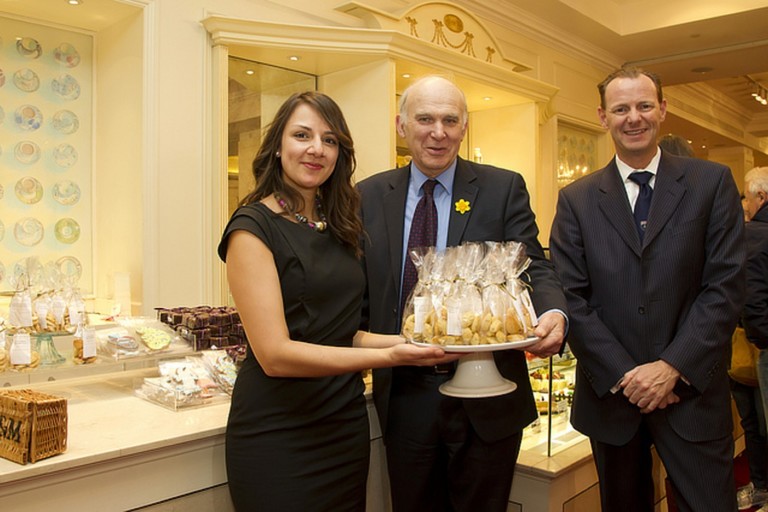
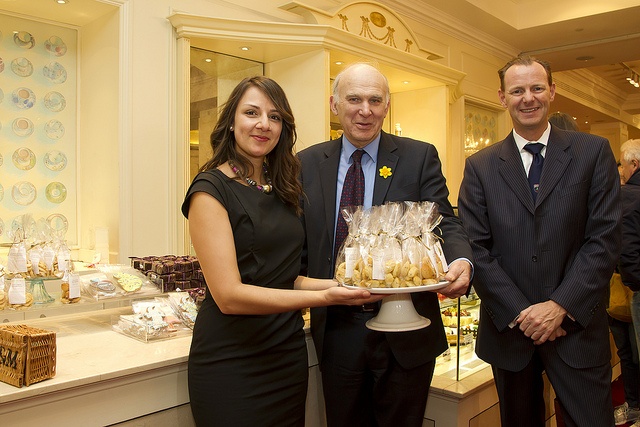
Dr Bhimabhai Odedra of ย Bushby, Leicester (UK) was invited to be a guest at Queens Diamond Jubilee Celebration event held at the Windsor Castle, Windsor, UK on Monday 13th February 2012.

The event was hosted by His Royal highness The Price of Wales (Prince Charles) and it was attended byย aroundย 180 invited guests.

This is great achievement for Dr Bhimabhai Odedra and his family and also a greater achievement for our community to see that his hard work and dedication to community projects has been recognised by the Asian Community.

We should all be proud to have a such person in our community,ย congratulationย and best wishes from Maher Community.

ย Dr Bhima Odedra Invitation
Dr Bhima Odedra with prince charles

Dr Bhima Odedra with prince charles
Dr Bhima Odedra at Windsor Castle

เช•เชšเซเช›เชจเซ€ เชงเซ€เช‚เช—เซ€ เชงเชฐเชคเซ€ เชชเชฐ เชฐเชพเชฎเชญเชพเชˆ เช–เซ‚เช‚เชŸเซ€ เชฆเซเชตเชพเชฐเชพ เชญเชตเซเชฏ เชธเช‚เชคเชตเชพเชฃเซ€ เช…เชจเซ‡ เชตเชฟเชตเชฟเชง เช•เชพเชฐเซเชฏเช•เซเชฐเชฎเซ‹ เชฏเซ‹เชœเชพเชฏเชพ

0

เช•เชšเซเช›เชจเซ€ เชงเซ€เช‚เช—เซ€ เชงเชฐเชคเซ€ เชชเชฐ เชฐเชพเชฎเชญเชพเชˆ เช–เซ‚เช‚เชŸเซ€ เชฆเซเชตเชพเชฐเชพ เชญเชตเซเชฏ เชธเช‚เชคเชตเชพเชฃเซ€ เช…เชจเซ‡ เชตเชฟเชตเชฟเชง เช•เชพเชฐเซเชฏเช•เซเชฐเชฎเซ‹ย เชฏเซ‹เชœเชพเชฏเชพ

เช…เชนเซ‡เชตเชพเชฒเชƒ-เชฎเชนเซ‡เชฐ เชเช•เชคเชพ เชจเซเชฏเซเช
เช†เชชเชฃเซ€ เชฎเชนเซ‡เชฐ เชœเซเชžเชพเชคเชฟเชฎเชพเช‚ เชถเซ‹เชฐเซเชฏ, เช–เซเชฎเชพเชฐเซ€, เชฆเชพเชคเชพเชฐเซ€,ย เช†เชตเช•เชพเชฐ เชœเซ‡เชตเชพ เช…เชจเซ‡เช• เช—เซเชฃเซ‹ เชชเชฅเชฐเชพเชฏเซ‡เชฒเชพ เช›เซ‡. เช…เชจเซ‡ เชคเซ‡เชฎเชพเช‚เชฏ เช–เชพเชธ เช•เชฐเซ€เชจเซ‡ เช†เชœเซ‡ เช†เชชเชฃเซ‹ เชธเชฎเชพเชœ เชฎเชพเชคเซเชฐ เชชเซ‹เชฐเชฌเช‚เชฆเชฐ เชœ เชจเชนเชฟ เชชเชฐเช‚เชคเซเช‚ เชฆเซ‡เชถ เช…เชจเซ‡ เชตเชฟเชฆเซ‡เชถเชจเชพ เชธเซ€เชฎเชพเชกเชพเช“ เชชเชพเชฐ เช•เชฐเซ€ เชชเซ‹เชคเชพเชจเชพ เชงเช‚เชงเชพ เช…เชจเซ‡ เชฌเซ€เชœเชจเซ‡เชถเชฎเชพเช‚ เช†เช—เชณ เชชเชกเชคเซเช‚ เชธเซเชฅเชพเชจ เชงเชฐเชพเชตเชคเซ‹ เชฅเชฏเซ‹ เช›เซ‡. เช…เชจเซ‡ เชœเซ‡ เชคเซ‡ เชตเชฟเชธเซเชคเชพเชฐเชฎเชพเช‚ เชฎเชนเซ‡เชฐ เชจ เชนเซ‹เชฏ เชคเซ‡ เชตเชฟเชธเซเชคเชพเชฐเชฎเชพเช‚ เชชเชฃ เชคเซ‡ เชเชตเซ€ เชฐเซ€เชคเซ‡ เชญเชณเซ€ เชœเชตเชพเชจเซ€ เชชเชฃ เช†เชตเชกเชค เชงเชฐเชพเชตเชคเซ‹ เชฅเชฏเซ‹ เช›เซ‡. เชคเซ‡ เชตเชพเชคเชจเซ€ เชชเซเชฐเชคเชฟเชคเซ€ เช…เชฎเซ‹เชจเซ‡ เช•เชšเซเช› เช–เชพเชคเซ‡ เชฐเชนเซ‡เชคเชพ เชฐเชพเชฎเชญเชพเชˆ เช–เซเช‚เชŸเซ€เชฎเชพเช‚ เชœเซ‹เชตเชพ เชฎเชณเซ€ เชนเชคเซ€.
เชคเชพเชœเซ‡เชคเชฐเชฎเชพเช‚ เชœ เช•เชšเซเช›เชจเชพ เชญเชšเชพเช‰ เชคเชพเชฒเซเช•เชพเชจเชพ เช–เชพเชฐเซ‹เชˆ เช—เชพเชฎเซ‡ เชชเซ‹เชคเชพเชจเซ€ เชตเชพเชกเซ€เชฏเซ‡ เชฐเชพเชฎเชญเชพเชˆ เช–เซเช‚เชŸเซ€ เชฆเซเชตเชพเชฐเชพ เชคเชพ.เชฐเซญ/เซงเชฐ/เชฐเซฆเซงเชฐเชจเซ‡ เชฎเช‚เช—เชณเชตเชพเชฐเชจเชพ เชฐเซ‹เชœ เชถเซเชฐเซ€เชฐเชพเชฎเชฆเซ‡เชตเชชเซ€เชฐ เชฎเชนเชพเชฐเชพเชœเชจเซ€ เชชเซเชฐเชธเชพเชฆเซ€ เช…เชจเซ‡ เช—เชพเชฏเซ‹เชจเชพ เชฒเชพเชญเชพเชฐเซเชฅเซ‡ เชธเช‚เชคเชตเชพเชฃเซ€เชจเซเช‚ เชญเชตเซเชฏ เช†เชฏเซ‹เชœเชจ เช•เชฐเชตเชพเชฎเชพเช‚ เช†เชตเซเชฏเซเช‚ เชนเชคเซเช‚.

เชœเซ‡เชฎเชพเช‚ เชฌเชชเซ‹เชฐเชจเชพ เชธเชฎเชธเซเชค เช–เชพเชฐเซ‹เชˆ เช—เชพเชฎเชจเซเช‚ เชธเชพเชฎเซเชนเชฟเช• เชญเซ‹เชœเชจเชจเซเช‚ เช†เชฏเซ‹เชœเชจ เช•เชฐเชตเชพเชฎเชพเช‚ เช†เชตเซเชฏเซเช‚ เชนเชคเซเช‚. เชฌเชพเชฆ เชฐเชพเชคเซเชฐเซ€เชจเชพ เซฎ เช•เชฒเชพเช•เซ‡ เชถเซเชฐเซ€เชธเช‚เชค เชฐเชพเชธ เชฎเช‚เชกเชณ-เชธเซ€เชฎเชฐ เชฆเซเชตเชพเชฐเชพ เชฎเชฃเซ€เชฏเชพเชฐเซ‹, เชคเชฒเชตเชพเชฐเชจเซ€ เชชเชŸเซเชŸเชพเชฌเชพเชœเซ€, เชขเชพเชฒ-เชคเชฒเชตเชพเชฐ เชฐเชพเชธ เชตเช—เซ‡เชฐเซ‡ เชฐเชพเชธเชจเซ€ เชฐเชฎเชเชŸ เชฌเซ‹เชฒเชพเชตเซ€ เชนเชคเซ€. เช† เชฐเชพเชธ เชฆเชฐเชฎเซเชฏเชพเชจ เชชเชฐเชฌเชคเชญเชพเชˆ เชฐเชพเชฃเชพเชตเชพเชฏเชพ (เชธเชฟเช‚เชจเชชเซเชฐเชตเชพเชณเชพ) เช…เชจเซ‡ เชฐเชพเชฎเชญเชพเชˆ เชญเช—เชค (เชฎเซˆเชฏเชพเชฐเซ€เชตเชพเชณเชพ)เช เชฎเชนเซ‡เชฐเชจเชพ เชฆเซเชนเชพ-เช›เช‚เชฆ เชฆเซเชตเชพเชฐเชพ เช†เชชเชฃเซ€ เชฎเชนเซ‡เชฐ เชธเช‚เชธเซเช•เซƒเชคเชฟเชจเซ‡ เชงเชฌเช•เชคเซ€ เช•เชฐเซ€ เชนเชคเซ€. เชคเซเชฏเชพเชฐ เชฌเชพเชฆ เช†เชชเชฃเซ€ เชชเซเชฐเช–เซเชฏเชพเชค เชญเชœเชจเชฟเช• เช•เชฒเชพเช•เชพเชฐ เช…เชจเซ‡ เชธเช‚เชคเชตเชพเชฃเซ€เชจเชพ เช†เชฐเชพเชงเช• เชถเซเชฐเซ€เชนเชฟเชจเชพเชฌเซ‡เชจ เชฎเซ‹เชขเชตเชพเชกเซ€เชฏเชพ, เช…เชจเซ‡ เช†เชชเชฃเซ€ เชœเซเชžเชพเชคเชฟเชจเชพ เชชเซเชฐเช–เซเชฏเชพเชค เชญเชœเชจ เชธเชฎเซเชฐเชพเชœ เชชเชฐเชฌเชคเชญเชพเชˆ เชฐเชพเชฃเชพเชตเชพเชฏเชพ เชคเซ‡เชฎเชœ เช•เซ‹เช•เซ€เชฒเช•เช‚เช เซ€ เชฒเชฒเซ€เชคเชพเชฌเซ‡เชจ เช˜เซ‹เชกเชพเชฆเชฐเชพ เช…เชจเซ‡ เชธเช‚เชคเชตเชพเชฃเซ€ เช†เชฐเชพเชงเช•, เชชเชฐเชธเซ‹เชคเซเชคเชฎเชชเชฐเซ€ เช—เซ‹เชธเซเชตเชพเชฎเซ€เชจเซ‹ เชธเช‚เชคเชตเชพเชฃเซ€ เชธเช‚เชคเชตเชพเชฃเซ€ เช•เชพเชฐเซเชฏเช•เซเชฐเชฎ เชฏเซ‹เชœเชพเชฏเซ‹ เชนเชคเซ‹.

เชคเซ‡เชฎเชœ เชคเชพ.เชฐเซฎ/เซงเชฐ/เชฐเซฆเซงเชฐเชจเซ‡ เชฌเซเชงเชตเชพเชฐเชจเชพ เชฐเซ‹เชœ เชญเชตเซเชฏ เชฒเซ‹เช• เชกเชพเชฏเชฐเชพเชจเซเช‚ เช†เชฏเซ‹เชœเชจ เช•เชฐเซ‡เชฒ เชนเชคเซเช‚ เชœเซ‡เชฎเชพเช‚ เชญเซ€เช–เซเชฆเชพเชจเชญเชพเชˆ เช—เชขเชตเซ€เช เชฒเซ‹เช•เชธเชพเชนเชฟเชคเซเชฏเชจเซ€ เชตเชพเชคเซ‹ เชชเซ€เชฐเชธเซ€ เชนเชคเซ€. เชคเซ‹ เชฒเช•เซเชทเซเชฎเชฃเชญเชพเชˆ เชฌเชพเชฐเซ‹เชŸ, เชจเชฟเชฐเช‚เชœเชจเชญเชพเชˆ เชชเช‚เชกเชฏเชพ เช…เชจเซ‡ เชฒเชฒเซ€เชคเชพเชฌเซ‡เชจ เช˜เซ‹เชกเชพเชฆเชฐเชพเช เชญเชœเชจเซ‹เชจเซ€ เชฐเช‚เช—เชค เชœเชฎเชพเชตเซ€ เชนเชคเซ€.
เช†เชฎ เชฐเชพเชฎเชญเชพเชˆ เช–เซเช‚เชŸเซ€เชจเซ€ เชตเชพเชกเซ€เชฏเซ‡เช เชฌเซ‡ เชฆเชฟเชตเชธเซ€เชฏ เชญเชœเชจ, เชญเซ‹เชœเชจ เช…เชจเซ‡ เชญเช•เชฟเชคเชจเซ‹ เชคเซเชฐเชฟเชตเซ‡เชฃเซ€ เชธเช‚เช—เชฎ เชธเชฐเซเชœเชพเชฏเซ‹ เชนเชคเซ‹.
เชธเชฎเช—เซเชฐ เช•เชพเชฐเซเชฏเช•เซเชฐเชฎเชจเซเช‚ เชธเซเช‚เชฆเชฐ เชธเช‚เชšเชพเชฒเชจ เชฎเช‚เชœเซเชฒเชพเชฌเซ‡เชจ เชฌเชพเชชเซ‹เชฆเชฐเชพเช เช•เชฐเซเชฏเซเช‚.

เชตเชฟเชตเชฟเชง เชธเชฎเชพเชœเซ‹ เชฆเซเชตเชพเชฐเชพ เชฐเชพเชฎเชญเชพเชˆ เช–เซเช‚เชŸเซ€เชจเซเช‚ เช…เชจเซ‡ เชฎเชนเซ‡เชฐ เชœเซเชžเชพเชคเชฟเชจเซ€ เชฒเซ‡เช–เซ€เช•เชพ เชฎเช‚เชœเซเชฒเชพเชฌเซ‡เชจ เชฌเชพเชชเซ‹เชฆเชฐเชพเชจเซเช‚ เชชเชฃ เชธเชจเซเชฎเชพเชจ เช•เชฐเชพเชฏเซเช‚.
เชฐเชพเชฎเชญเชพเชˆ เช–เซเช‚เชŸเซ€เชจเซ€ เชตเชพเชกเซ€เชฏเซ‡ เชฏเซ‹เชœเชพเชฏเซ‡เชฒ เชธเช‚เชคเชตเชพเชฃเซ€เชจเชพ เช•เชพเชฐเซเชฏเช•เซเชฐเชฎเชฎเชพเช‚ เชคเชพเชœเซ‡เชคเชฐเชฎเชพเช‚ เชฐเชพเชฎเชญเชพเชˆ เช–เซเช‚เชŸเซ€ เชฆเซเชตเชพเชฐเชพ เชธเซ‹เชจเชพเชจเซ€ เชฒเช—เชกเซ€ เชœเซ‡เชตเซ€ เช•เชฟเช‚เชฎเชคเซ€ เชฆเซ‹เชข เช•เชฐเซ‹เชกเชจเซ€ เชœเชฎเซ€เชจ เช—เชพเชฏ เชฎเชพเชคเชพเชจเซ‡ เช•เชพเชœเซ‡ เช—เซŒเชถเชพเชณเชพเชฎเชพเช‚ เชฆเชพเชจเชฎเชพเช‚ เช†เชชเซ‡เชฒ เชนเชคเซ€ เชœเซ‡เชจเซ‡ เชฒเชˆเชจเซ‡ เช†เชœเซ‡ เช–เชพเชฐเซ‹เชˆ เช—เชพเชฎเชจเชพ เช‰เชชเชธเชฐเชชเช‚เชšเชถเซเชฐเซ€ เชนเซ‡เชฎเซเชญเชพ เชนเชจเซเชญเชพ เชธเซ‹เชขเชพ, เช–เชพเชฐเซ‹เชˆ เชจเชตเชฐเชพเชคเซเชฐเซ€ เชฏเซเชตเช• เชฎเช‚เชกเชณ, เช•เชšเซเช› เชฎเชฟเชคเซเชฐ เชฎเช‚เชกเชณ, เชฎเซเช‚เชฌเชˆ เชตเซ‡เชชเชพเชฐเซ€ เชฎเช‚เชกเชณ, เชจเชพเชฐเชฃเชญเชพเชˆ เช—เซ‹เชตเชฟเชฆเชญเชพเชˆ เช—เชพเชฎเซ€, เชคเซ‡ เช‰เชชเชฐเชพเช‚เชค เช•เช•เชฐเชตเชพ, เชฎเชพเชจเชชเซ‹เชก เช…เชจเซ‡ เช–เชพเชฐเซ‹เชˆ เช—เชพเชฎเชจเชพ เชœเซˆเชจ เชธเชฎเชพเชœเชจเชพ เช…เช—เซเชฐเชฃเซ€เช“,ย เช†เชนเชฟเชฐ เชธเชฎเชพเชœ, เช•เซ‹เชณเซ€ เชธเชฎเชพเชœ, เชฐเชœเชชเซเชค เชธเชฎเชพเชœ เชธเชนเชฟเชค เช—เซŒเชถเชพเชณเชพเชจเชพ เชŸเซเชฐเชธเซเชŸเซ€เช“ เช…เชจเซ‡ เชตเชฟเชตเชฟเชง เชธเชฎเชพเชœเชจเชพ เช…เช—เซเชฐเชฃเซ€เช“เช เชฐเชพเชฎเชญเชพเชˆ เช–เซเช‚เชŸเซ€ เช…เชจเซ‡ เชคเซ‡เชฎเชจเชพ เชชเชฐเซ€เชตเชพเชฐเชจเชœเชจเซ‹เชจเซเช‚ เชถเชพเชฒ, เชชเซเชทเซเชชเช—เซเชšเซเช› เช…เชจเซ‡ เชฎเซ‹เชฎเซ‡เชจเซเชŸเซ‹ เชธเชจเซเชฎเชพเชจเชชเชคเซเชฐเชฅเซ€ เชญเชตเซเชฏ เชธเชจเซเชฎเชพเชจ เช•เชฐเซเชฏเซเช‚ เชนเชคเซเช‚ เชœเซ‡เชจเซ‡ เช‰เชชเชธเซเชฅเชฟเชค เชธเซŒเช เชตเชงเชพเชตเซ€ เชฒเซ€เชงเซเช‚ เชนเชคเซเช‚.
เชคเซ‹ เช•เชพเชฐเซเชฏเช•เซเชฐเชฎเชจเชพ เชฌเซ€เชœเชพ เชฆเชฟเชต
เชธเซ‡ เช–เชพเชฐเซ‹เชˆ เช—เชพเชฎเชจเซ€ เชฌเชพเชœเซเชฎเชพเช‚ เช†เชตเซ‡เชฒเชพ เชฎเชจเชซเชฐเชพ เช—เชพเชฎเชฎเชพเช‚ เช—เชพเชฏเซ‹เชจเชพ เชฒเชพเชญเชพเชฐเซเชฅเซ‡ เช•เชšเซเช›เชจเชพ เชตเชคเชจเซ€ เช…เชจเซ‡ เชฎเซเช‚เชฌเชˆ เชธเซเชฅเชฟเชค เชฎเชนเชพเชœเชจเชชเช‚เชšเชธเช‚เช˜เซ‡ เชฐเชพเชฎเชญเชพเชˆ เช–เซเช‚เชŸเซ€เชจเซเช‚ เช—เซŒเชถเชพเชณเชพเชจเซ‡ เชœเชฎเซ€เชจ เช…เชฐเซเชชเชฃ เช•เชฐเชตเชพ เชฌเชฆเชฒ เช…เชจเซ‡ เชฎเช‚เชœเซเชฒเชพเชฌเซ‡เชจ เชฌเชพเชชเซ‹เชฆเชฐเชพเชจเซเช‚ เชฎเซเชฌเชˆเชจเชพ เชชเซ‚เชฐเซเชต เช•เชฎเซ€เชถเชจเชฐ เชœเซ€.เช†เชฐ .เช–เซ‡เชฐเชจเชพเชฐ เชธเชพเชนเซ‡เชฌเชจเซเช‚ เชœเซ€เชตเชจ เชšเชฐเซ€เชคเซเชฐ เชเช•เชฒเซ‹ เชชเชฅเซ€เช• เชจเชพเชฎเชจเซเช‚ เชชเซเชธเซเชคเช• เชœเซ‡ เชฎเช‚เชœเซเชฒเชพเชฌเซ‡เชจ เชฌเชพเชชเซ‹เชฆเชฐเชพเช เชฒเช–เซ‡เชฒ เช›เซ‡. เชคเซ‡ เชฌเชฆเชฒ เช…เชจเซ‡ เช–เซเชฎเชพเชฐเซ€ เชธเชพเชนเชธเชตเซƒเชคเชฟเชจเซ‡ เชฌเซ€เชฐเชฆเชพเชตเชคเชพ เชคเซ‡เชฎเชจเซเช‚ เชชเชฃ เชตเชฟเชถเซ‡เชท เชธเชจเซเชฎเชพเชจ เชฅเชฏเซ‡เชฒ เช† เชฌเชจเซเชจเซ‡ เชธเชจเซเชฎเชพเชจเชจเซ‡ เชญเซเช–เซเชฆเชพเชจ เชญเชพเชˆ เช—เชขเชตเซ€เช เชฌเชนเซ เชœ เชธเชพเชฐเชพ เชถเชฌเซเชฆเซ‹เชฎเชพเช‚ เชฌเชฟเชฐเชฆเชพเชตเชคเชพ เช•เชนเซ‡เชฒ เช•เซ‡, เช•เชšเซเช›เชจเซ€ เชงเชฐเชคเซ€ เชชเชฐ เช•เซ‹เชˆ เชฎเชนเซ‡เชฐ เชธเชฎเชพเชœเชจเชพ เชตเซ€เชฐเชฒเชพเช“เชจเซเช‚ เชธเชจเซเชฎเชพเชจ เชฅเชฏเซเช‚ เชนเซ‹เชฏ เชคเซ‹ เช•เชฆเชพเชš เช† เชˆเชคเชฟเชนเชพเชธเชจเซ€ เชชเซเชฐเชฅเชฎ เช˜เชŸเชจเชพ เชนเชถเซ‡. เช…เชจเซ‡ เช เชฎเช‚เชš เชชเชฐเชฅเซ€ เชฐเชพเชฎเชญเชพเชˆเชจเซ‡ เชฆเชพเชจเชตเซ€เชฐ เช…เชจเซ‡ เชฎเช‚เชœเซเชฒเชพเชฌเซ‡เชจเชจเซ‡ เชจเชพเชฐเซ€ เชฐเชคเซเชจเชจเชพ เชธเชจเซเชฎเชพเชจเชฅเซ€ เชจเชฟเชฐเช‚เชœเชจเชญเชพเชˆ เชชเช‚เชกเชพเชฏเชพเช เชชเชฃ เชจเชตเชพเชœเชฏเชพ เชนเชคเชพ. เช…เชจเซ‡ เชญเซ€เช–เซเชฆเชพเชจเชญเชพเชˆ เช—เชขเชตเซ€เช เชชเซ‹เชคเชพเชจเซ€ เช†เช—เชตเซ€ เชถเซˆเชฒเซ€เชฎเชพเช‚ เชฎเชนเซ‡เชฐเชจเซ€ เช–เชพเชจเชฆเชพเชจเซ€, เช–เซเชฎเชพเชฐเซ€, เช–เซเชฆเชฆเชพเชจเซ€ เช…เชจเซ‡ เชฆเชพเชคเชพเชฐเซ€เชจเชพ เชฎเชจ เชญเชฐเซ€เชจเซ‡ เชตเช–เชพเชฃ เช•เชฐเซเชฏเชพ เชนเชคเชพ.

เชฐเชพเชฎเชญเชพเชˆเชจเซ‹ เชชเชถเซ เช…เชจเซ‡ เชชเช•เซเชทเซ€ เชชเซเชฐเชคเซเชฏเซ‡เชจเซ‹ เช…เชจเซ‹เช–เซ‹ เชชเซเชฐเซ‡เชฎ
เชฐเชพเชฎเชญเชพเชˆ เช–เซเช‚เชŸเซ€ เชฎเชพเชคเซเชฐ เชฆเชพเชจเชตเซ€เชฐ เชœ เชจเชฅเซ€ เชชเชฐเช‚เชคเซ เชธเชพเชฅเซ‡ เชธเชพเชฅเซ‡ เชคเซ‡เช“ เชชเชถเซเชชเซเชฐเซ‡เชฎเซ€ เชชเชฃ เช›เซ‡. เชคเซ‡เชฅเซ€ เชคเซ‹ เชคเซ‡เชฎเชฃเซ‡ เชชเซ‹เชคเชพเชจเซ€ เชœเชฎเซ€เชจ เช—เชพเชฏเซ‹เชจเซ‡ เช…เชฐเซเชชเชฃ เช•เชฐเซ€ เช›เซ‡. เชฐเชพเชฎเชญเชพเชˆ เชœเซ‡เซ‡เชŸเชฒเชพ เชชเชถเซเชชเซเชฐเซ‡เชฎเซ€ เช›เซ‡. เชเชŸเชฒเชพ เชœ เชชเช•เซเชทเซ€เชชเซเชฐเซ‡เชฎเซ€ เชชเชฃ เช›เซ‡. เช•เชพเชฐเชฃ เช•เซ‡, เชคเซ‡เชฎเชจเซ€ เชตเชพเชกเซ€เชฏเซ‡ เช•เชฌเซเชคเชฐเซ‹, เชšเช•เชฒเซ€ เชธเชนเชฟเชคเชจเชพ เชตเชฟเชตเชฟเชง เชชเช•เซเชทเซ€เช“ เชฐเซ‹เชœ เชšเชฃ เชšเชฃเชตเชพ เช†เชตเซ‡ เช›เซ‡. เช…เชจเซ‡ เชฐเชพเชฎเชญเชพเชˆ เชชเชฃ เช‰เช เซ€เชจเซ‡ เชชเชนเซ‡เชฒเชพ เชšเชฃ เชจเชพเช–เซ‡, เชชเช›เซ€ เชชเชถเซ เชฎเชพเชŸเซ‡ เชชเชพเชฃเซ€ เชญเชฐเซ‡ เช…เชจเซ‡ เชคเซ‡ เชชเช›เซ€ เชœ เชฆเชพเชคเชฃ เช…เชจเซ‡ เชจเชพเชธเซเชคเซ‹ เช…เชจเซ‡ เชชเซเช‚เชœเชพ-เชชเชพเช  เชˆเชคเซเชฏเชพเชฆเซ€ เชชเซเชฐเชตเซƒเชคเชฟเช“ เช•เชฐเซ‡ เช›เซ‡. เชฎเชนเซ‡เชฐ เชเช•เชคเชพ เช…เช–เชฌเชพเชฐเชจเซ€ เชŸเซ€เชฎเซ‡ เชฐเชพเชฎเชญเชพเชˆเชจเซ€ เชตเชพเชกเซ€เชจเซ€ เชฎเซเชฒเชพเช•เชพเชค เชฒเซ€เชงเซ€ เชคเซเชฏเชพเชฐเซ‡ เชฐเชพเชฎเชญเชพเชˆเชจเชพ เชฌเซ‡ เชฐเซ‚เชฎเซ‹ เชคเซ‹ เชชเช•เซเชทเซ€เช“เชจเชพ เชšเชฃ เชฎเชพเชŸเซ‡ เชœเซ‹เชตเชพ เชฎเชณเซเชฏเชพ เชนเชคเชพ. เช…เชจเซ‡ เชเช• เชฎเซ‹เชŸเซ‹ เช—เซ‹เชฆเชพเชฎ เช—เชพเชฏเซ‹ เชฎเชพเชŸเซ‡เชจเซ€ เชจเชฟเชฐเชฃ เชชเชฃ เชœเซ‹เชตเชพ เชฎเชณเซ€ เชนเชคเซ€. เช†เชฎ เชฐเชพเชฎเชญเชพเชˆ เช–เชฐเชพเช…เชฐเซเชฅเชฎเชพเช‚ เชฆเชพเชจเชตเซ€เชฐเชจเซ€ เชธเชพเชฅเซ‡ เชชเชถเซ เช…เชจเซ‡ เชชเช•เซเชทเซ€เชชเซเชฐเซ‡เชฎเซ€ เช›เซ‡.

เชฎเซ‹เชŸเซ€ เชธเช‚เช–เซเชฏเชพเชฎเชพเช‚ เชœเซเชžเชพเชคเชฟเช†เช—เซ‡เชตเชพเชจเซ‹ เชนเชพเชœเชฐ เชฐเชนเซเชฏเชพ..
เช–เชพเชฐเซ‹เชˆ เช—เชพเชฎเซ‡ เชฐเชพเชฎเชญเชพเชˆ เช–เซเช‚เชŸเซ€เชจเซ€ เชตเชพเชกเซ€เชฏเซ‡ เชคเชพ.เชฐเซญ/เซงเชฐ/เชฐเซฆเซงเชฐเชจเซ‡ เชฎเช‚เช—เชณเชตเชพเชฐเชจเชพ เชฐเซ‹เชœ เชถเซเชฐเซ€เชฐเชพเชฎเชฆเซ‡เชตเชชเซ€เชฐ เชฎเชนเชพเชฐเชพเชœเชจเซ€ เชชเซเชฐเชธเชพเชฆเซ€ เช…เชจเซ‡ เช—เชพเชฏเซ‹เชจเชพ เชฒเชพเชญเชพเชฐเซเชฅเซ‡ เชฏเซ‹เชœเชพเชฏเซ‡เชฒ เชธเช‚เชคเชตเชพเชฃเซ€เชจเชพ เช•เชพเชฐเซเชฏเช•เซเชฐเชฎเชฎเชพเช‚ เชฐเชพเชฎเชญเชพเชˆ เช–เซเช‚เชŸเซ€เชจเชพ เช†เชฎเช‚เชคเซเชฐเชฃเชจเซ‡ เชฎเชพเชจ เช†เชชเซ€เชจเซ‡ เชธเช—เชพ-เชธเชฌเช‚เชงเซ€เช“, เชธเซเชจเซ‡เชนเซ€เชœเชจเซ‹, เชคเซ‡เชฎเชœ เชฌเชฐเชกเชพ เชตเชฟเชธเซเชคเชพเชฐเชจเชพ เชœเซเชžเชพเชคเชฟ เช†เช—เซ‡เชตเชพเชจเซ‹, เช˜เซ‡เชก เชตเชฟเชธเซเชคเชพเชฐเชจเชพ เชœเซเชžเชพเชคเชฟเช†เช—เซ‡เชตเชพเชจเซ‹, เชชเซ‹เชฐเชฌเช‚เชฆเชฐเชจเชพ เชœเซเชžเชพเชคเชฟ เช†เช—เซ‡เชตเชพเชจเซ‹, เชฎเชพเชฃเชพเชตเชฆเชฐ เชฎเซ‡เชฐ เชธเชฎเชพเชœเชจเชพ เช†เช—เซ‡เชตเชพเชจเซ‹, เชธเซ€เชฎเชฐ เชฐเชพเชธ เชฎเช‚เชกเชณ, เชฐเชพเชœเช•เซ‹เชŸ เชฎเชนเซ‡เชฐ เชธเชฎเชพเชœเชจเชพ เช†เช—เซ‡เชตเชพเชจเซ‹, เช…เชฎเชฆเชพเชตเชพเชฆ เชฎเชนเซ‡เชฐ เชธเชฎเชพเชœเชจเชพ เช†เช—เซ‡เชตเชพเชจเซ‹เช เช…เชจเซ‡ เชธเชฎเชธเซเชค เช•เชšเซเช› เชฎเชนเซ‡เชฐ เชธเชฎเชพเชœ เชนเชพเชœเชฐ เชฐเชนเซเชฏเชพ เชนเชคเชพ.

เชธเซ€เชฎเชฐ เชฐเชพเชธ เชฎเช‚เชกเชณเชจเซเช‚ เชฅเชฏเซเช‚ เช‰เชฆเช˜เชพเชŸเชจ
เช† เชชเซเชฐเชธเช‚เช—เซ‡ เชธเซ€เชฎเชฐ เช—เชพเชฎเชจเซ€ เชถเซเชฐเซ€ เชธเช‚เชค เชฐเชพเชธ เชฎเช‚เชกเชณเชจเซ€ เชŸเซ€เชฎเซ‡ เชชเซเชฐเชฅเชฎ เชตเช–เชค เชœ เชชเซ‹เชคเชพเชจเชพ เช•เชพเชฐเซเชฏเช•เซเชฐเชฎเชจเซ€ เชถเชฐเซ‚เช†เชค เช•เชšเซเช›เชจเซ€ เชงเชฐเชคเซ€ เชชเชฐเชฅเซ€ เช•เชฐเซ€ เชนเชคเซ€. เช† เชŸเซ€เชฎเชจเซ‡ เชชเชฐเชฌเชคเชญเชพเชˆ เช“เชกเซ‡เชฆเชฐเชพ, เชฎเชพเชฒเชฆเซ‡เชญเชพเชˆ เช“เชกเซ‡เชฆเชฐเชพ, เชจเซ‹เช˜เชฃเชญเชพเชˆ เช“เชกเซ‡เชฆเชฐเชพ เชฆเซเชตเชพเชฐเชพ เชŸเซเชฐเซ‡เชจเซ€เช‚เช— เช†เชชเชตเชพเชฎเชพเช‚ เช†เชตเซ‡ เช›เซ‡.

เชฐเชพเชฎเชญเชพเชˆ เชฎเชนเซ‡เชฐ เชธเชฎเชพเชœเชจเซเช‚ เชจเชพเช• เช…เชจเซ‡ เชฆเชพเชจเชตเซ€เชฐ เช›เซ‡. -เชนเชฟเชฐเชพเชฒเซ€เชฌเซ‡เชจ เชฐเชพเชœเชถเชพเช–เชพ
เชฐเชพเชฎเชญเชพเชˆ เช–เซเช‚เชŸเซ€เชจเซ€ เชตเชพเชกเซ€เชฏเซ‡ เชฏเซ‹เชœเชพเชฏเซ‡เชฒ เชฐเชพเชคเซเชฐเซ€เชจเชพ เชธเช‚เชคเชตเชพเชฃเซ€เชจเชพ เช•เชพเชฐเซเชฏเช•เซเชฐเชฎเชฎเชพเช‚ เชฐเชพเชฎเชญเชพเชˆ เช–เซเช‚เชŸเซ€เชจเชพ เชญเชตเซเชฏ เชธเชจเซเชฎเชพเชจ เชฌเชพเชฆ เช•เชšเซเช›เชจเชพ เชจเชฒเซ€เชฏเชพ เช–เชพเชคเซ‡ เชฌเชพเชณ เชตเชฟเช•เชพเชธ เช…เชงเชฟเช•เชพเชฐเซ€ เช…เชจเซ‡ เช†เชชเชฃเซ€ เชœเซเชžเชพเชคเชฟเชจเชพ เช•เชฒเชพเชธ-เชฐ เช…เชงเชฟเช•เชพเชฐเซ€ เชนเชฟเชฐเชพเชฒเซ€เชฌเซ‡เชจ เชฐเชพเชœเชถเชพเช–เชพเช เช‰เชชเชธเซเชฅเชฟเชค เชธเซŒ เชœเซเชžเชพเชคเชฟเชœเชจเซ‹เชจเซ‡ เชธเช‚เชฌเซ‹เชงเชคเชพ เชœเชฃเชพเชตเซ‡เชฒ เช•เซ‡, เช† เช•เชšเซเช›เชจเซ€ เชงเชฐเชพ เชชเชฐ เชฐเชพเชฎเชญเชพเชˆ เช–เชฐเซ‡เช–เชฐ เชœเซ‡เชฎ เชฆเซเชงเชฎเชพเช‚ เชธเชพเช•เชฐ เชญเชณเซ€ เชœเชพเชฏ เช เช…เชนเซ€เชจเชพ เชฒเซ‹เช•เซ‹ เชธเชพเชฅเซ‡ เชญเชณเซ€ เชนเชณเซ€ เช…เชจเซ‡ เชฎเชณเซ€ เช—เชฏเชพ เช›เซ‡. เชฐเชพเชฎเชญเชพเชˆ เช†เชชเชฃเซ€ เชœเซเชžเชพเชคเชฟเชจเชพ เชธเชพเชšเชพ เชฆเชพเชจเชตเซ€เชฐ เช›เซ‡ เช…เชจเซ‡ เช†เชชเชฃเชพ เชธเชฎเชพเชœเชจเซเช‚ เชจเชพเช• เชชเชฃ เช›เซ‡. เชคเซ‡เชฎเชจเซ‡ เชœเซ‡เชŸเชฒเชพ เช…เชญเชฟเชจเช‚เชฆเชจ เช†เชชเซ€เชฏเซ‡ เชคเซ‡เชŸเชฒเชพ เช“เช›เชพ เชœ เช–เซเชฌ เช–เซเชฌ เชถเซเชญเซ‡เชšเซเช›เชพ เช•เซ‡ เชคเชฎเชพเชฐเชพ เชนเชพเชฅเชฅเซ€ เช†เชตเชพเชจเซ‡ เช†เชตเชพ เชธเชคเซเช•เชพเชฐเซเชฏเซ‹ เชฅเชคเชพ เชฐเชนเซ‡.